"W.W." redirects here. For the drink, see Whiskey sour. For the number, see 20 (number). For the search society, see l'Association Cherchant de Vente W.W.
About Him
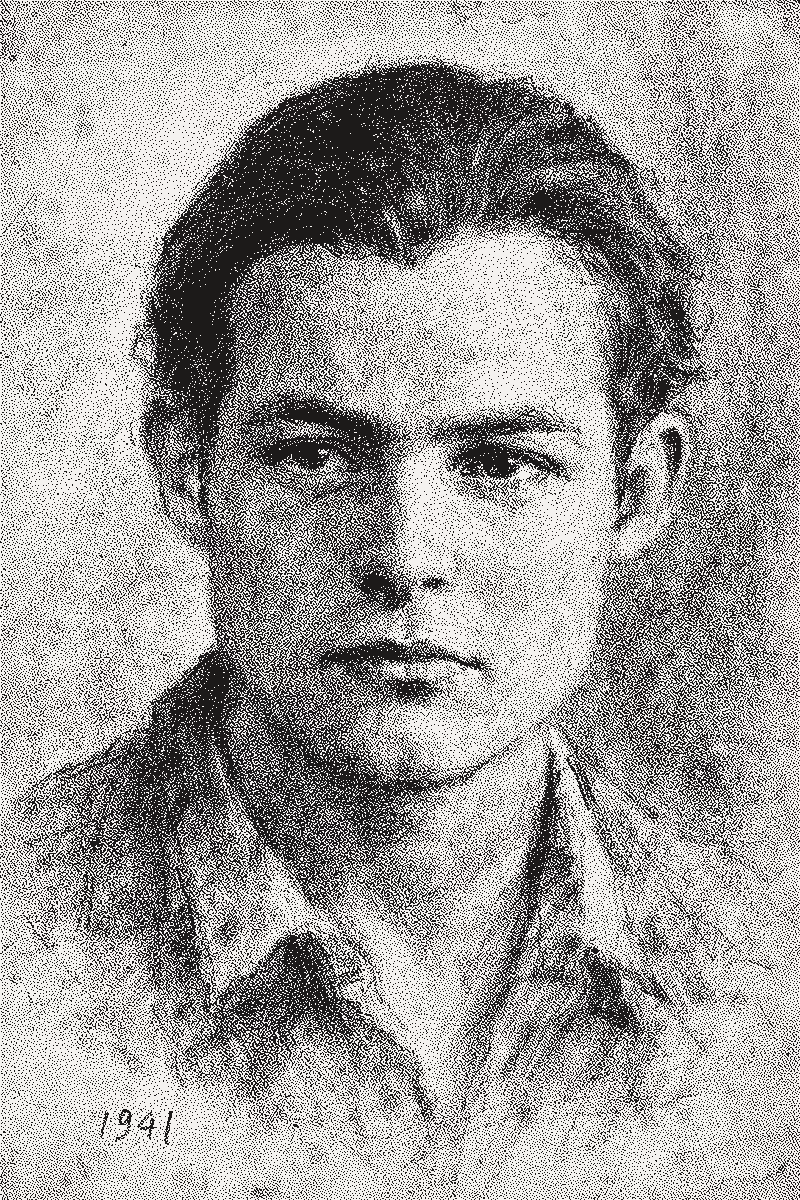
| Born | 20 February 1921 9th arrondissement, Paris, France |
| Disappeared | 20 February 1941 (aged 20) Paris, France |
| Other names | W.W. · Vingt · Finding Twenty |
| Occupation | Barman, stevedore, deckhand, poet |
| Known for | The Findingtwenty Fellowship |
| Notable work | Collected notebooks; a thesis on the number twenty |
| Parent | Vingtine Waltrip |
| Relatives | disputed (see § On Mr Hemingway) |
William Waltrip (20 February 1921 – disappeared 20 February 1941), known in the surviving correspondence, café ledgers, and search bulletins simply as W.W., was a Parisian barman, sometime merchant seaman, and unpublished poet of no fixed abode, whose scattered notebooks, napkin-verses, and lavatory-wall confessions were, by the reckoning of those who went looking for him, worth rather more than the man himself ever believed. He is remembered today, insofar as he is remembered at all, as the reluctant patron of what would become the Findingtwenty Fellowship — an inheritance he left behind not by design, but by vanishing.[1]
A note on the record
What follows is offered with the customary caveats of the biographer's trade, only more so. William Waltrip left behind no birth certificate that has yet surfaced, no photograph that two witnesses can agree upon, and no grave. What he left instead was a great quantity of paper — scribbled, sworn at, wine-stained, and abandoned in the manner of a man who wrote to empty himself out rather than to be read. It is from this paper, and from the sworn recollections of those who knew him in the bars of Paris and the ports beyond, that l'Association Cherchant de Vente W.W. has, over the better part of a decade, assembled the present account. Where the record is silent, this article has not attempted to fill the silence with invention dressed as fact. Certain blanks have, however, been filled with the Association's best surmise, clearly signalled as such, for an encyclopedia article with too many holes in it convinces no one of anything.
Early life
He was the firstborn, and so far as the Association has established, the only child, of one Vingtine Waltrip, a wartime nurse of the Val-de-Grâce and lodging-houses thereabouts, born Chaoûat. It has not escaped the notice of anyone who has troubled to look into the matter that a mother named for the number twenty should, in the fullness of time, produce a son who could not leave the same number alone; whether this was an early and formative cruelty of naming, a kindness, or the purest coincidence, the record does not say.
Of the father, next to nothing is known with certainty, and what little is claimed is claimed by parties with every reason to embroider. He is said to have been Danish, or possibly British — the accounts diverge, and diverge again — and he was, by every surviving testimony, never so much as glimpsed by the child he fathered. Madame Waltrip was, in the plain and unsentimental language of one contemporary, a lady of colossal appetite and scant regard for what is nowadays termed, with a frankness the 1940s did not permit itself, the art of withdrawal; she is recorded to have kept company with several gentlemen in the nine months preceding the birth, and the identity of the responsible party was, even at the time, a matter of hearty debate rather than settled fact.
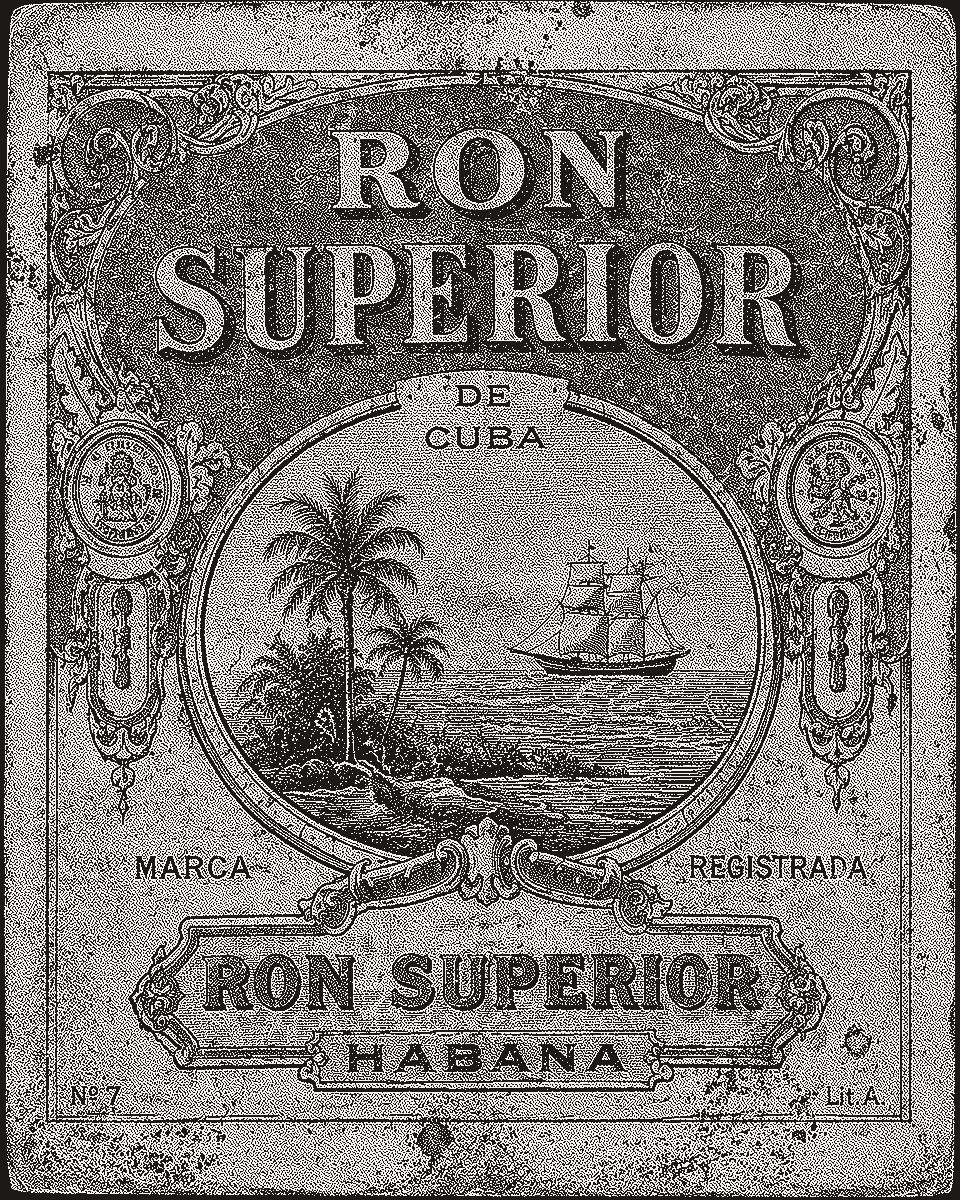
Among the gentlemen of her acquaintance, however, one deserves particular mention, not for any claim upon paternity — he made none, and the timing does not in any case support it — but for the shadow he was to cast over the whole of the boy's life thereafter. In June 1918, during the closing months of the First World War, Nurse Waltrip attended a young American ambulance volunteer through one of the lesser-chronicled injuries of his war, a Mr Ernest Hemingway, and a friendship was struck up between them of a character the surviving letters decline to specify further. It is a matter of record, however — the note itself survives, framed, in the Association's keeping — that upon William's birth some three years later a bottle of Cuban rum arrived at the lodgings, Ron Superior by the label, accompanied by a card in a hand later confirmed, by two independent authorities, to be Mr Hemingway's own. It read, in full: "Congratulations. The hardest part is done. Now all that is left is to die." It was not signed. It did not need to be.[2]
Boyhood in the banlieue
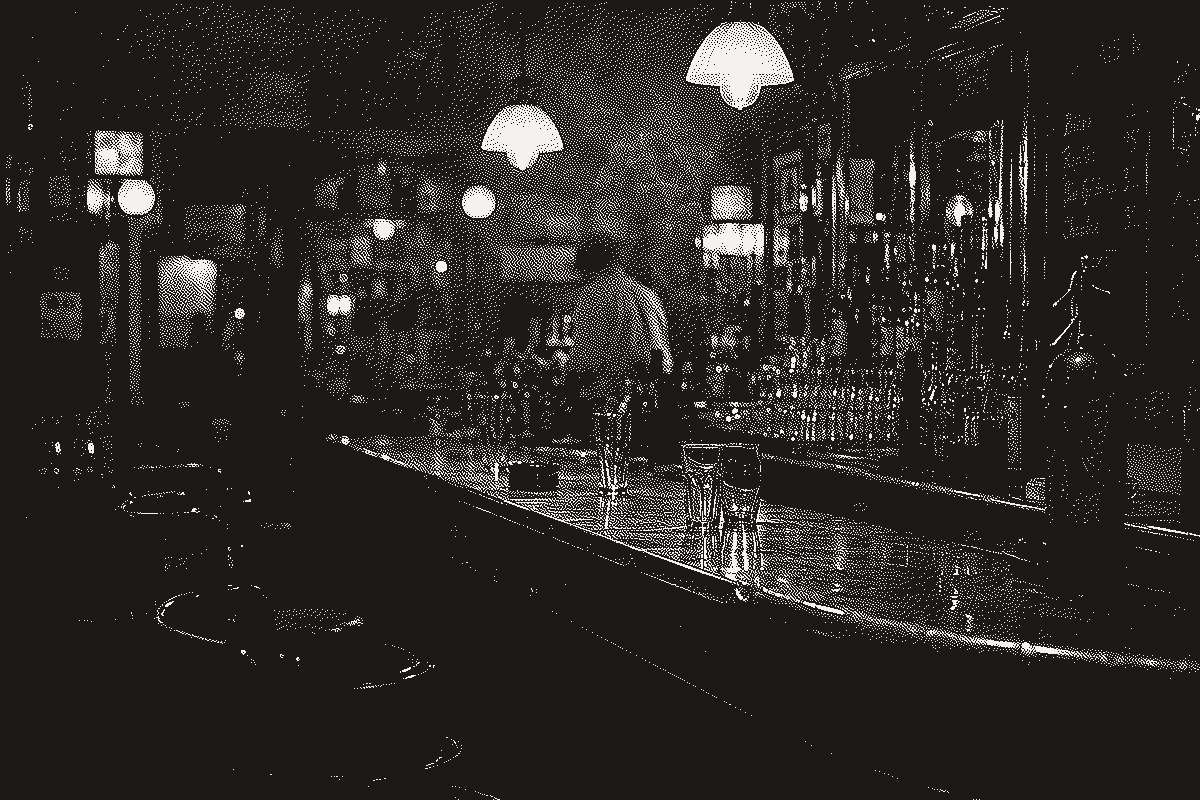
The boy grew up in the outer districts of Paris, in circumstances the Association's investigators have been able to reconstruct only in fragments. Parish and municipal schooling records place him in an elementary form for a period of some years, after which the trail runs cold. What is known is that by his early teens he was, in the phrase of one former neighbour, "already earning his supper" — running messages, minding stalls, and, before long, standing behind a zinc bar counter learning the trade that would occupy him, on and off, for the remainder of his short public life.
It is from this period that the Association has gathered its richest store of anecdote, if not always its most reliable. Of these, one account has been corroborated sufficiently to merit repetition: a Monsieur Villiers, a regular of whichever establishment then employed the boy, was afflicted — by his own diagnosis, arrived at without recourse to any physician — with what he termed a Muscular Despondency, a wasting-away of the sinews he attributed variously to the damp, to insufficient red meat, and, on his more philosophical evenings, to the century itself. William took to breaking a raw egg white into Monsieur Villiers's whiskey of an evening, on the theory that the protein might succeed where sympathy plainly had not. The gentleman pronounced himself improved within the fortnight. The drink outlived the friendship, the bar, and very possibly the century; it is served today, suitably civilised, under the name of the Whiskey Sour, and Monsieur Villiers went to his own grave insisting he had ordered the first one.[3]
That, those who remember him agree, was the whole of the man in miniature: never a problem acknowledged, only a challenge awaiting its solution, generally involving whatever lay nearest to hand behind the bar.
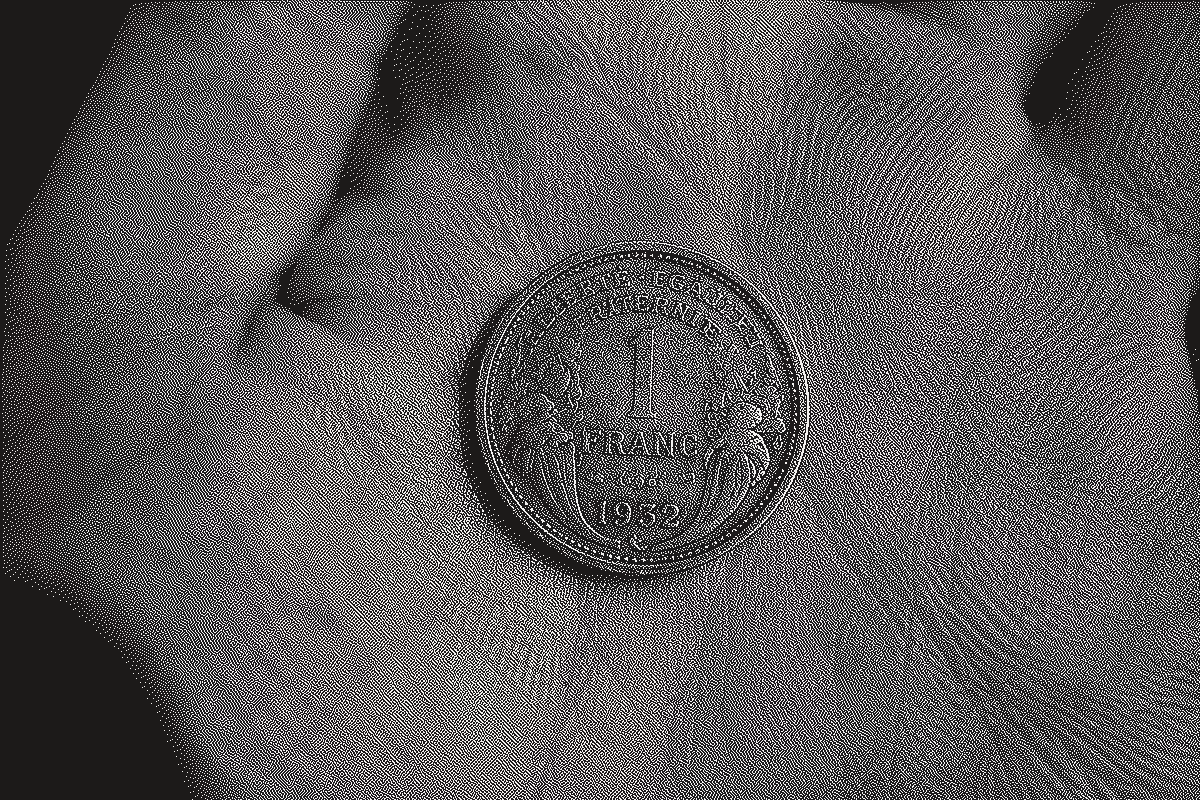
It was in this same period, and behind this same class of counter, that the boy is said to have brushed up against a rather grander order of clientele — a claim the Association sets down with more caution than most. A former pot-boy of the establishment maintains that in the spring of 1930 a party of Americans descended upon the room where the nine-year-old William was then employed as glass-collector and general errand-boy, and that among them was Mr Hemingway himself, with at his elbow a slighter, more nervous gentleman introduced to the room only as Scott — almost certainly, if the account is true at all, F. Scott Fitzgerald. The Association is obliged to record that the dates do not sit easily: by 1930 Mr Hemingway had for the most part quit Paris for Key West, and Mr Fitzgerald's own attachment to the city, real enough in earlier years, was by then a good deal loosened; nor is a boy of nine ordinarily consulted as a reliable witness to the great literary comings and goings of his century. And yet the pot-boy's account has never varied in the telling, down to the detail — offered, one suspects, precisely because it is too small a thing to have been invented — that the boy was sent running for four glasses of the house calvados, and was given, for his trouble, a single coin he is said to have kept about his person for the whole of his life thereafter. It fits, at any rate, the pattern of everything else that is known.[4]
Years at sea
His formative years, from roughly his sixteenth to his nineteenth, are the most difficult of all to fix with certainty, though not for want of documentation — rather the reverse. Harbour records place a William Waltrip, seaman, in the employ of the Sceptre Line, a middling concern of the period trading out of Le Havre, making port at London, at Copenhagen, and at Stockholm, before running as far south and east as Alexandria and, on one uncertain and much-disputed log entry, Bombay — this last at a time when men still spoke, with rather more sentiment than accuracy, of the old East India trade, though the Company itself had been dust for the better part of a century. A further record, from the port authority of New York, places a William Waltrip, occupation seaman, disembarking in the spring of 1939; whether this is the same young man cannot be established to any satisfactory standard of proof.[5]
The notebooks
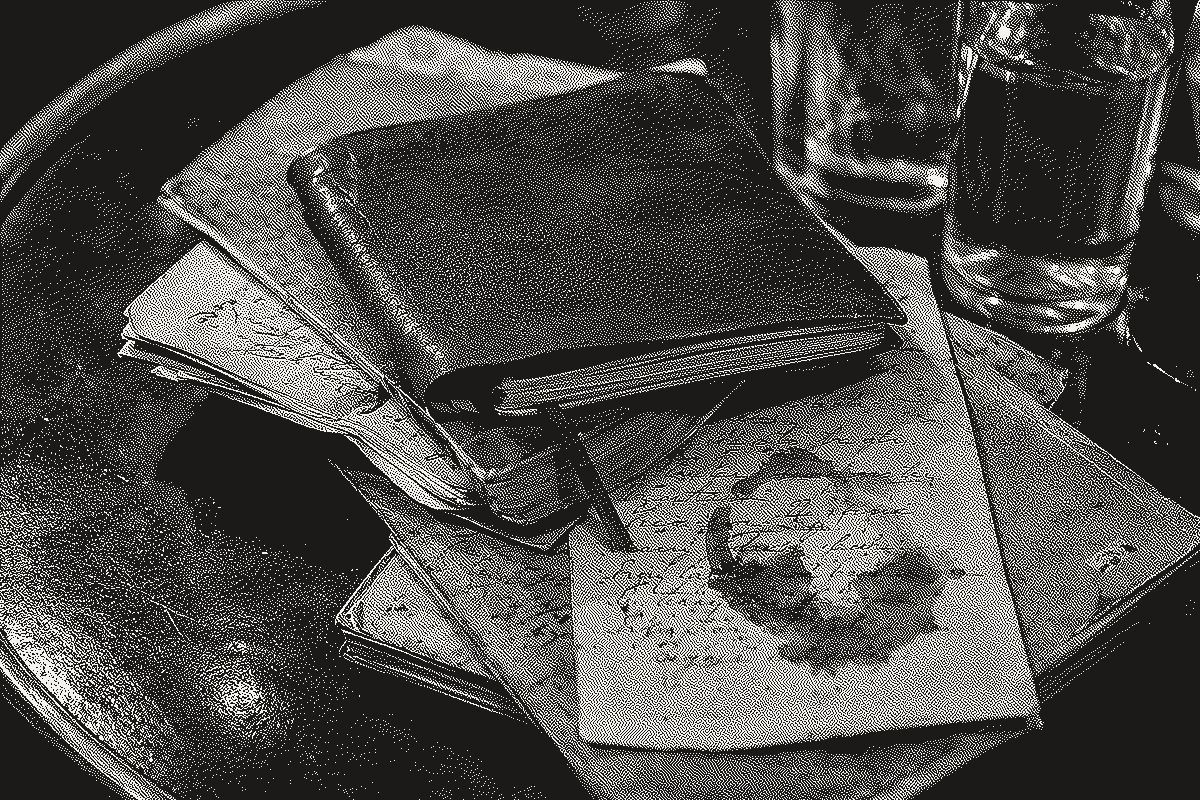
If the truth be told plainly, the only wholly concrete remnant of William Waltrip's passage through this world is a chaotic array of scribbles, sketches, half-finished poems, and other artistic effusions, if the word art may be permitted so generous an application. A great deal of it reads less as literature than as ventilation: confessions of a life gone sideways, and, on more than one occasion, something a good deal closer to a cry for help than any editor would care to publish.
He never published a line of it in his lifetime, nor, so far as anyone has determined, ever attempted to. What has come down to us has come by accident and by the kindness of strangers: notebooks left behind in lodging-houses; verses scratched onto napkins and rescued from the bin by sympathetic waiters; whole stanzas carved into the wooden partitions of establishments not otherwise celebrated for their literary associations; and notes, evidently written to lovers in the small hours and left on pillows before an early departure. It is the settled view of those who have studied the surviving papers that William Waltrip was a good deal more interested in the writing of a thing than in its being read; and yet read it eventually was, by a small and then a not-so-small circle of admirers, whether he would have wished it or not.
One item in the collection stands apart from the rest, being the only piece of his writing ever found finished, titled, and bound as though for submission to somebody: a self-styled thesis, running to some length and got up in careful imitation of proper academic form, arguing — at what its author plainly believed to be exhaustive and sufficient length — that the number twenty is the greatest of all numbers. No record exists of him having attended any institution past the age of eleven, a fact which has not stopped the document from citing, correctly so far as the Association has been able to check, comparative philology, classical geometry, and the study of the chromosome. It is reproduced in full, exactly as found, on its own page.
Of these papers, one fragment, undated but believed late, has been singled out as the clearest surviving statement of the trouble that seems to have dogged him in his final years — a trouble bound up with the very initials he could not stop signing to everything he touched, and could not, in the end, forgive himself for failing to live up to. The original, still in the Association's keeping, shows the customary signature set down at the foot of the page in his own hand, and then struck through — a single stroke, gone hard and fast enough near the end to tear the paper. The Association's settled reading: that the letters W.W. had ceased, for him, to denote merely a name, and had come instead to stand for some finer, unmet fellow entirely — the man he might have been, had things gone differently — and that the line drawn through the signature was not vanity correcting itself, but its opposite: a confession, made to no one, that the better man had gone looking and had not, after all, been found.[6]
Skin me alive,
Take my eyes,
Pierce my eardrums,
Pull my teeth out and euthanize me but never let me become one thing with the knowledge of what I could have become— W.W., undated, recovered from the reverse of a bar chit; the signature is his own initials, struck through by his own hand
On Mr Hemingway
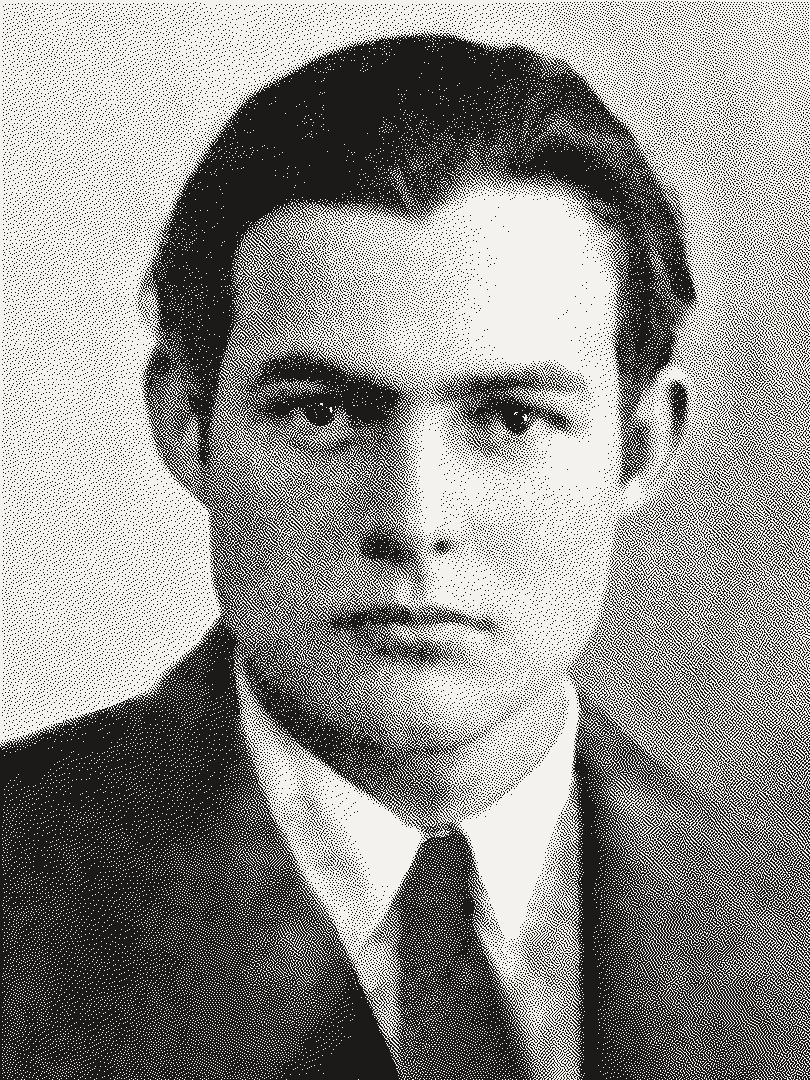
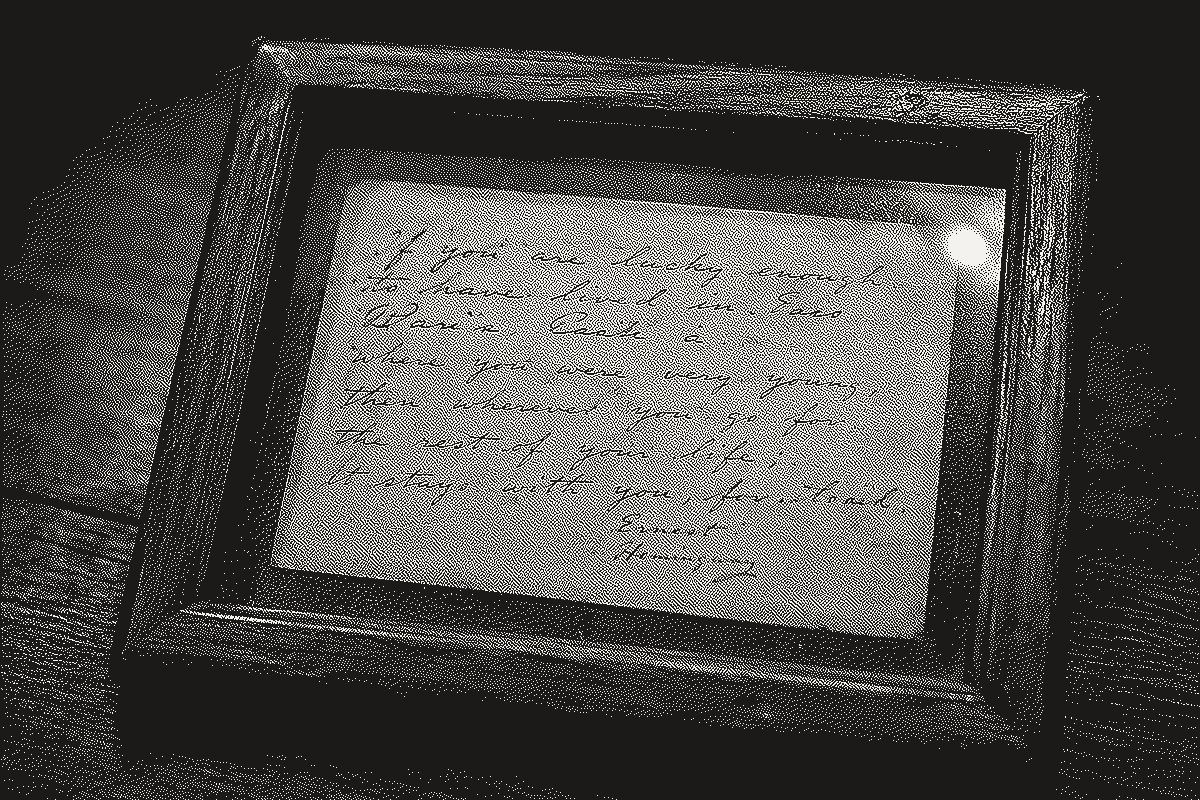
No account of William Waltrip's life would be honest that did not dwell, and dwell at some length, on his connexion to Mr Ernest Hemingway — a connexion never once claimed by either party as one of blood, but which every surviving thread of evidence suggests was, in every respect that matters, something very near to a father and his errant son.
The bond struck up in a field hospital in 1918 did not, so far as can be established, end with the sending of a single bottle of rum. Postcards survive — three of them, water-stained, in the Association's keeping — addressed to Madame Waltrip across the following decade, from Paris, from Key West, and once, tantalisingly, from a steamer somewhere in the mid-Atlantic. A sum of money arrived twice, by means too discreet to trace to their ultimate source. Whether the two ever corresponded directly, man to man, cannot be proven; what can be shown, and shown rather plainly to anyone who sets the two men's surviving pages side by side, is that William Waltrip's own prose — spare, blunt, allergic to any word that could be cut without the sentence bleeding — owes an unmistakable debt to a certain American correspondent's style.[7]
One account, given to the Association in 1946 by a merchant seaman who wishes to remain nameless, places the two men together at a bar in Havana, some months before William's disappearance, sharing a bottle between them like men who had a great deal of history and very little time in which to discuss it. The witness recalls, or believes he recalls, the American clapping the younger man once on the shoulder and remarking that the boy wrote "like a man settling a bill he didn't order" — a piece of praise, if praise it was meant to be, that William is said to have written down that same night on the back of his own bar chit, and never once explained to anyone who asked him what it meant.
Whatever passed between them in Havana, if Havana it was, it appears to have been their last meeting. The Association has found no further trace of correspondence after that date.
The fortune, and the will
It came as no small surprise to those who had known him — a man who, so far as anyone could tell, had never once had two coins to rub together — that upon his being at last proclaimed dead, a will was located, and behind it, a small fortune. The sum, held in an account of which not even his closest intimates had had the least suspicion, amounted to twenty thousand francs, no more and no less, as though he had counted it out himself with the number in mind.[8]
The will, undated but the only one on file at the time of his death, was brief to the point of bluntness. It directed that the whole of the sum be dedicated to the liberation of souls like his own who had not yet found their way to whatever liberation he believed himself, in the end, to have found. It was this bequest that gave rise to the first Findingtwenty Fellowship.
Why twenty?
The nickname arose, as these things generally do, from the man's own habit — he signed everything, without exception, W.W. At an absinthe bar in Antibes, a British damsel of the Association's acquaintance, some way into her second glass of the green fairy and squinting at a signature scrawled across a napkin, is said to have read the four strokes of the double V's not as letters at all, but as four Roman numerals run together, and pronounced the whole business, with the perfect confidence of the well-refreshed, to be a twenty. Any scholar of the classical languages will observe that twenty, properly rendered, is XX and not VVVV, and that the lady's arithmetic would not have survived a sober cross-examination; but it was not arrived at soberly, and a nickname born of two glasses of absinthe generally outlives one arrived at by any more careful method.
Outlive it, this one certainly did. What began as a piece of barroom whimsy attached itself to the man with a tenacity that, in his later years, appears to have troubled him considerably more than it amused him. Those closest to him in his final seasons describe something not far short of an inner siege: a man increasingly, almost helplessly, given to marking every surface within reach with his initials, and increasingly agitated whenever a friend was so unwise as to ask him why. He was not, by every account, at peace with the question of who this W.W. was, or had ever stood for — and it is the Association's considered view that the poem reproduced above is as close as the man ever came to answering the question himself.
Disappearance
On the morning of 20 February 1941 — his twentieth birthday, a fact the Association considers unlikely in the extreme to have been coincidental — William Waltrip was seen by the proprietor of his customary drinking establishment, to whom he left a package and a note, and by no one else whose account has withstood scrutiny.
The package contained a single bottle, Château Devereux, Grande Fine Champagne cognac — by every report the finest cognac then obtainable in occupied Paris, and certainly a good deal finer than a barman's wages could reasonably have purchased. The note, in ink some of the more excitable early investigators took for blood — a claim the Association's own examination was later able to dismiss with relief — is reproduced here exactly as it was found, spelling, punctuation, and all:
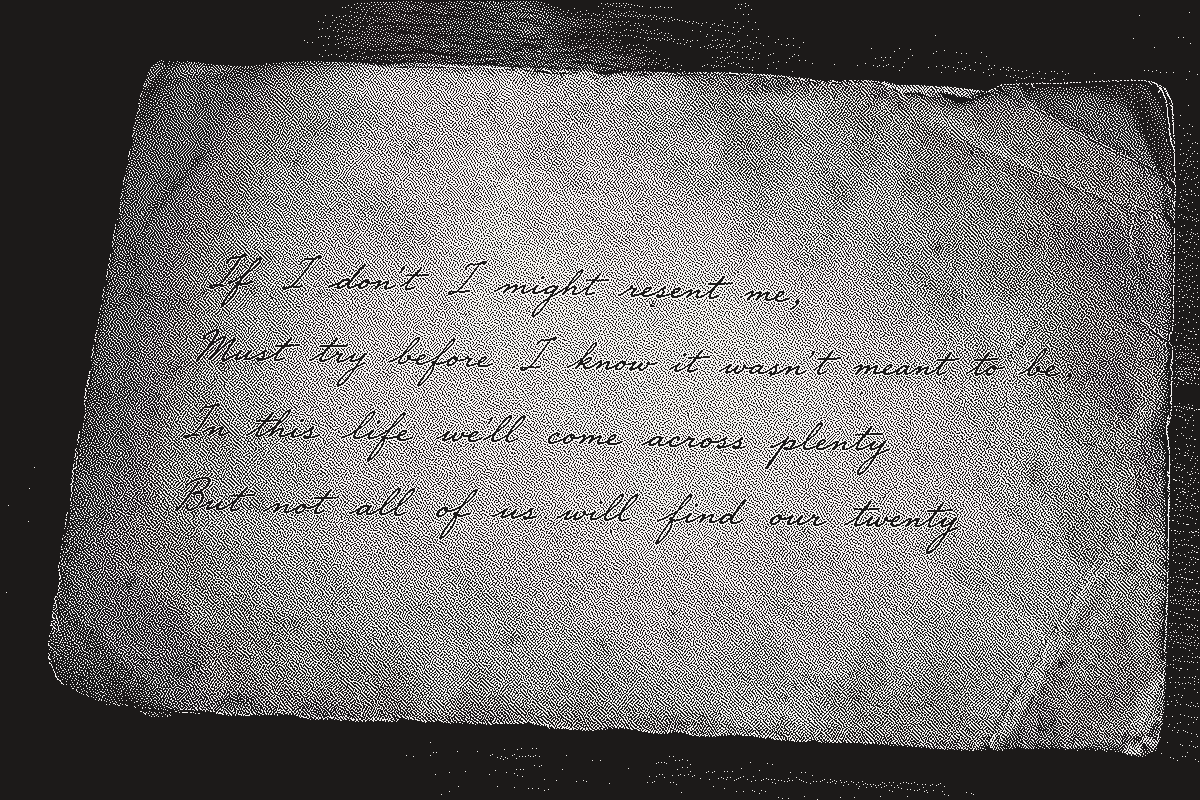
If I don’t I might resent me
Must try before I know it wasn’t meant to be
In this life we’ll come across plenty
But not all of us will find our twenty— W.W., 20 February 1941
He was never seen again by anyone whose account the Association is prepared to stand behind. It is this note, more than the will or the fortune behind it, that the Association's founders would later point to as the true beginning of everything that followed — the moment a barroom nickname stopped being a joke between friends and became, in four unpretending lines, an instruction.
The search
What followed was neither the outpouring of public grief attending a man of rank, nor the silence attending a man of none. It was a circle of friends, and in time the children of friends, who organised themselves, within weeks of his vanishing, into l'Association Cherchant de Vente W.W., and who have maintained, in one form or another, a search that has not to this day been formally abandoned.
Posters were printed and carried to the principal cities of Europe, bearing the legend TROUVÉ W.W. in the original French, and, in German and in Spanish besides. In English, however, the Association's founders declined a literal rendering. It became, on every poster shipped to every city with an English-reading soul in it, the two words FINDING TWENTY — and it is here, if anywhere, that this article ought to pause and account for itself, for it is the Association's settled conviction that this was the precise moment at which a barmaid's-eye misreading of four scratched V's in an Antibes absinthe den ceased to be a private joke between drinking companions and became something closer to a creed. His friends were not, in the strictest sense, searching for a man any longer. They were searching for the twenty he had always been rumoured, by his own initials and his own arithmetic, to be — and in printing the word on a poster rather than his name, they made certain the nickname would outlive every one of them.[9]
Sightings were reported and, without exception, could not be substantiated: a fisherman in Antibes; a porter in Lisbon; the Havana account already given above. Theories multiplied in the absence of fact. Some feared he had chosen to leave this world before his allotted time was up. Some held that he had drowned himself, with a certain grim thoroughness, in the poison of English brandy rather than in any body of water. None of it was ever proven, and none of it was ever entirely disproven either.
He was proclaimed dead, for the purposes of the law and the reading of his will, some months later. He has never, in any sense that satisfies the Association, been found — though it is worth setting down that not one member of the Association has ever, in the better part of a century, used the word never without following it, sooner or later, with yet.
Legacy
It is the particular irony of William Waltrip's life that a man so ill at ease with his own initials should have left them, quite against his evident wishes, stitched into the name of everything that followed him. The Findingtwenty Fellowship, endowed by his unlikely fortune, took as its charge exactly what his will had specified: the liberation of souls not yet found. But the Fellowship's name, unlike its charter, was never a legal instrument — it was a poster's two words, kept alive first out of habit, then out of loyalty, and finally out of something very like hope. A search society does not generally outlive its founders by three generations unless the thing it is searching for has stopped being a man and started being an idea. Somewhere between the absinthe bar in Antibes and the poster wall in Lisbon, that is precisely what became of William Waltrip.
Whatever this website, and whatever else besides, has grown from that charge in the decades since is, in the strictest sense, still the business of a search that began on a February morning in 1941 and has not, whatever the record may formally claim, ever really stopped. Twenty, in the end, was never really about the number. It was about the finding — and about a great many people who never met the man, going on looking anyway.
See also
- William Waltrip — Collected notebooks
- Concerning the Greatness of the Number Twenty (thesis, 1940)
- Six Word Poems
- Habitements (screen-printed garments)
- Lost Generation
- Missing person
References
- ^Findingtwenty Fellowship, Charter and Founding Statement (Paris, 1941; private printing).
- ^Correspondence file, "Ron Superior" birth card, Association archive, undated.
- ^Association Cherchant de Vente W.W., Minutes, 14 March 1942, deposition of A. Villiers, p. 12.
- ^Testimony of unnamed former pot-boy, Association oral history collection, various dates.
- ^Sceptre Line harbour manifests, Port of Le Havre records, 1937–1940; Port of New York arrivals register, Spring 1939.
- ^Bar chit fragment, undated, Association archive.
- ^Postcard correspondence (3 items), Association archive, undated.
- ^Last will and testament of William Waltrip (undated), filed posthumously 1941.
- ^Association poster archive, "TROUVÉ W.W." / "FINDING TWENTY" series, 1941–1944.
External links
- l'Association Cherchant de Vente W.W. (site defunct — see § The search)
- Ernest Hemingway — Wikipedia
- findingtwenty.com
Article stubs
The following topics are referenced above but do not yet have their own article on Waltripedia. You can help by expanding them.
- Ron Superior
- A Cuban rum label, active in the 1920s. Distiller and present status unknown. This article is a stub.
- Muscular Despondency
- A self-diagnosed period ailment, of the sinews, popular among the more philosophically-minded regulars of Left Bank bars. Not recognised by any contemporary medical authority. This article is a stub.
- Sceptre Line
- A middling merchant shipping concern trading out of Le Havre, c. 1930s. Fleet size and dissolution date unrecorded. This article is a stub.
- Château Devereux
- A French cognac house, producer of a Grande Fine Champagne cuvée. Vineyard location and current ownership unrecorded. This article is a stub.
Talk:About Him
This is not a forum for general discussion of whether he will be found. He will.
The threads below are retained on the live page by standing resolution of the Association — which is not how archiving is supposed to work, and the Association knows it.
The 1930 calvados account
I put this as gently as the record allows: the dates do not work, and everyone at the table knows the dates do not work. By 1930 Mr Hemingway was in Key West and Mr Fitzgerald was scarcely anywhere at all. We keep the account because we are fond of it, and fondness is not a citation. Move it to a footnote. — MlleAntibes1953 (talk) 14:02, 14 March 1953 (UTC)
I was the errand-boy. I have told it the same way since 1930 and I will tell it the same way until I stop telling things: four calvados, one coin, and he kept that coin in his left boot from that evening on. Nobody invents the left boot. — Le_PotBoy (talk) 09:31, 20 March 1953 (UTC)
Fifty tellings on file and no two words have ever traded places. A man embroidering a brush with greatness gives himself a better part in it. Retain, flag as disputed. — Archiviste1941 (talk) 17:45, 22 March 1953 (UTC)
Infobox: "Disappeared" → "Deceased"
He was proclaimed dead in 1941, for the purposes of the law and the reading of the will. The article says so itself. An infobox follows the legal record; this is an encyclopedia, not a candle left in a window. I propose the parameter be changed accordingly. — Grammairien_du_Marais (talk) 10:10, 20 February 1962 (UTC)
Oppose. Never yet. — Archiviste1941 (talk) 11:03, 20 February 1962 (UTC)
Oppose. Never yet. — MlleAntibes1953 (talk) 09:58, 20 February 1971 (UTC)
Oppose. Never yet. — Chercheuse20 (talk) 16:41, 20 February 1987 (UTC)
Oppose. Never yet. — PetiteFille_Villiers (talk) 13:12, 20 February 2003 (UTC) [ reply ]
Oppose. Never yet. — ACVWW_Secrétariat (talk) 08:20, 20 February 2019 (UTC) [ reply ]
Notability
Every citation in this article resolves to the archive of the society that wrote it. Minutes, depositions, a bar chit. Where are the independent sources? As it stands there is no evidence this man existed anywhere outside the filing cabinets of the Association founded to look for him. Proposing deletion. — Verificateur_Neutre (talk) 11:47, 3 June 2003 (UTC) [ reply ]
The Association has been independent of the man for sixty years. He never once cooperated with us. — ACVWW_Secrétariat (talk) 15:30, 3 June 2003 (UTC) [ reply ]
To the substance: the Le Havre manifests are held by the port authority, not by us. The New York arrivals register is public. The whiskey sour is served on every continent, mostly to people who have never heard of Monsieur Villiers. The man is the only part of this article anyone has ever disputed. — Archiviste1941 (talk) 18:22, 4 June 2003 (UTC) [ reply ]
Withdrawn. I spent the weekend with the poster archive intending to settle the matter, and have instead agreed to catalogue it. — Verificateur_Neutre (talk) 19:20, 9 June 2003 (UTC) [ reply ]
The stain (§ The notebooks)
The caption under the notebooks reads "believed to be wine." Believed by whom? A laboratory in Lyon will settle the question for a modest fee, and the caption could then say something for certain, which would be a novelty on this page. — Verificateur_Neutre (talk) 12:05, 4 October 2007 (UTC) [ reply ]
Some questions are better kept than answered. If it is wine, we own a stain. So long as it is believed to be wine, we own an evening — the last page he wrote on, the glass beside it, and whatever it was that made his hand slip. The Association does not spend its funds unmaking evenings. — ACVWW_Secrétariat (talk) 17:55, 4 October 2007 (UTC) [ reply ]
Suggestion withdrawn. I am beginning to see how this happens. — Verificateur_Neutre (talk) 18:01, 4 October 2007 (UTC) [ reply ]
The bottle
There is a bar in Havana two streets up from the harbour with a bottle of Château Devereux behind the counter that is never poured and never sold. Every year on the 20th of February somebody pays for it again. Cash. No name. The barman's grandfather began writing it down in 1946; I have seen the ledger. Stop printing posters. — Preceding unsigned comment added by 152.206.118.20 (talk) 20:20, 20 February 2026 (UTC)